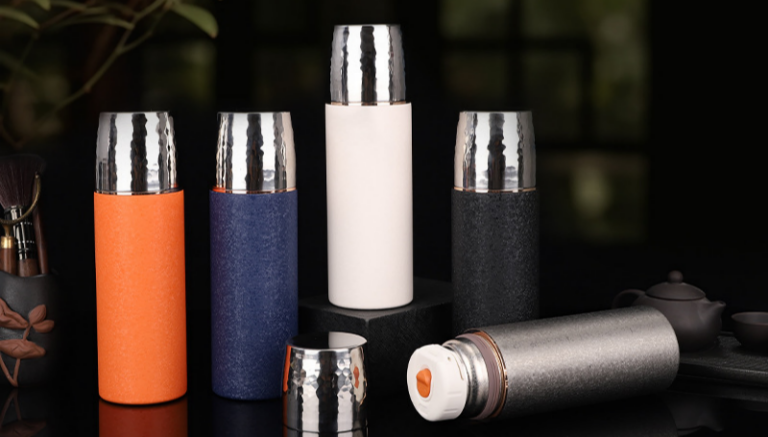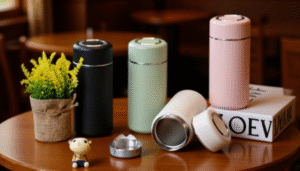
How to choose the inner pot material (priority for brewing tea)
Ceramic coated inner liner (preferred for drinking tea)
Advantages: No odor, no metallic taste, tea stains can be cleaned immediately, do not react with tea polyphenols, restore tea aroma.
Suitable for: regularly brewing green tea, black tea, oolong tea, flower tea, pursuing taste
316 Stainless Steel (Commuter Durable)
More molybdenum than 304, resistant to weak acid corrosion in tea water, less prone to blackening and rusting, safer for long-term tea brewing
Identify the inner liner steel seal “SUS316” and avoid unmarked cheap 201 steel (excessive manganese)
Pure titanium liner (high-end health)
Corrosion resistant, antibacterial, odorless, lightweight, high price, suitable for long-term brewing of aged white tea and black tea
Not recommended: Ordinary 304 uncoated inner liner
Long term soaking can easily carry a metallic smell and make it difficult to clean tea stains
Core structure: Tea and water must be separated
Directly soaking tea leaves in a regular thermos can make the tea soup bitter, astringent, and ruin its aroma. Separation of tea and water is essential
Two mainstream structures
Inverted Separation Payment
Bottom independent tea compartment, flip the cup to soak tea leaves in water, immediately stop steeping when placed upright, controllable strength, portable and preferred for commuting
Top filter compartment
The lid is equipped with a built-in tea compartment, suitable for offices, and the filter can be disassembled and washed
Filter requirements
316 stainless steel fine filter screen, detachable without dead corners, no tea residue hidden